
Fresh Fruits
Farm to Table
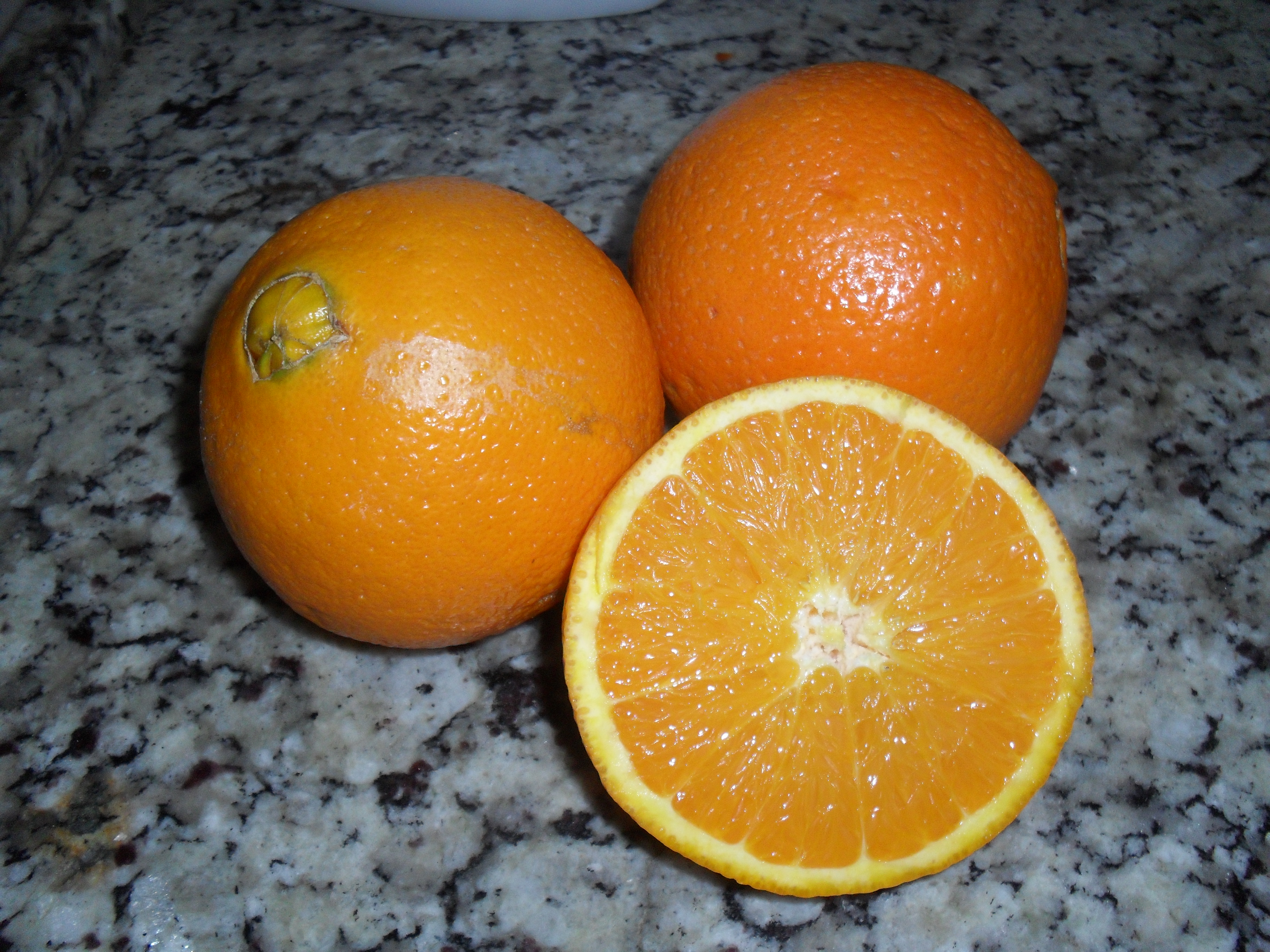
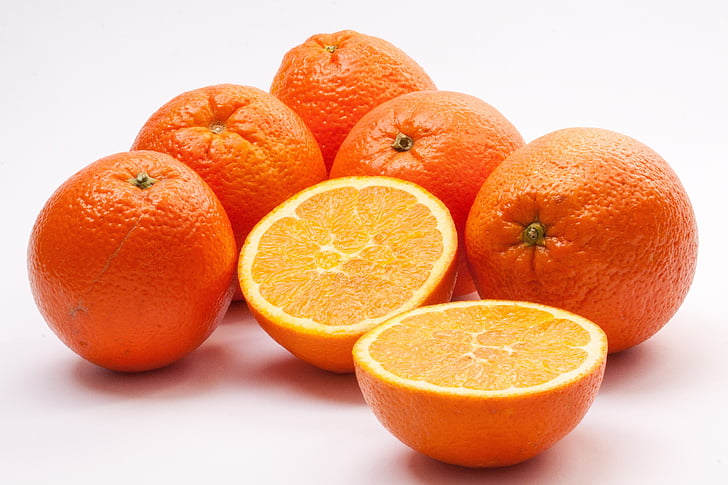
Orange
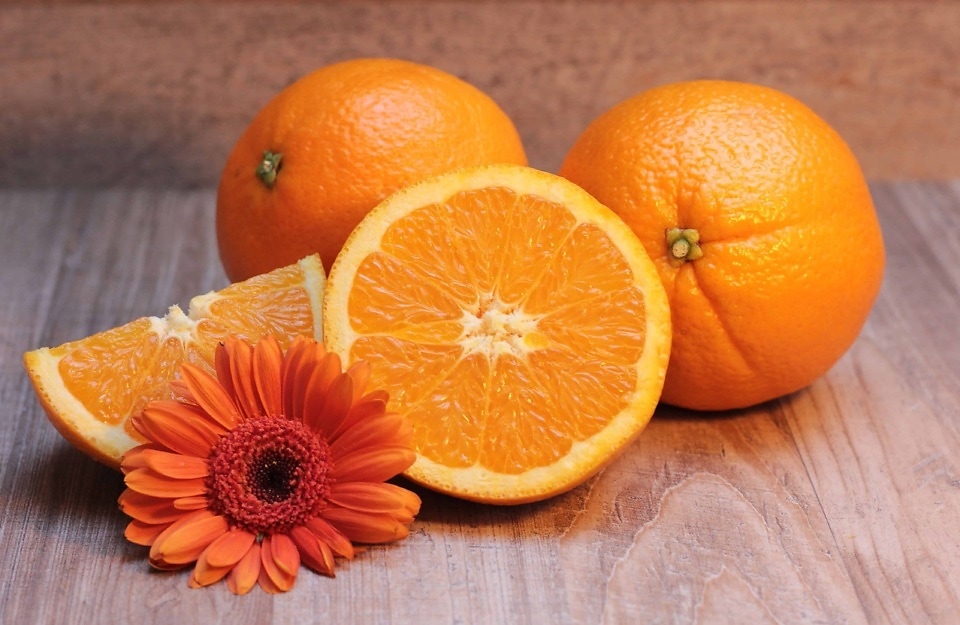
Navel Orange
$1.50
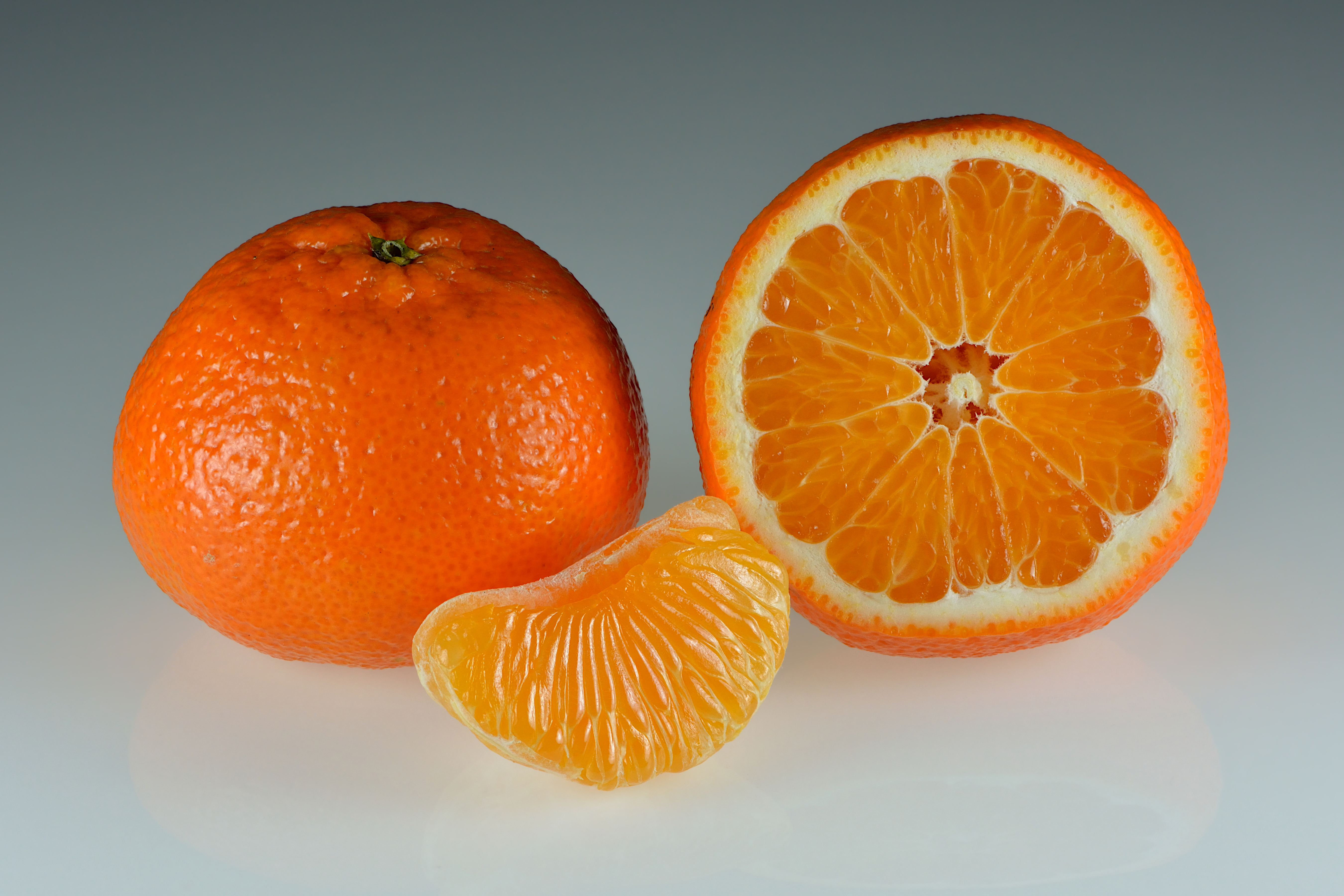
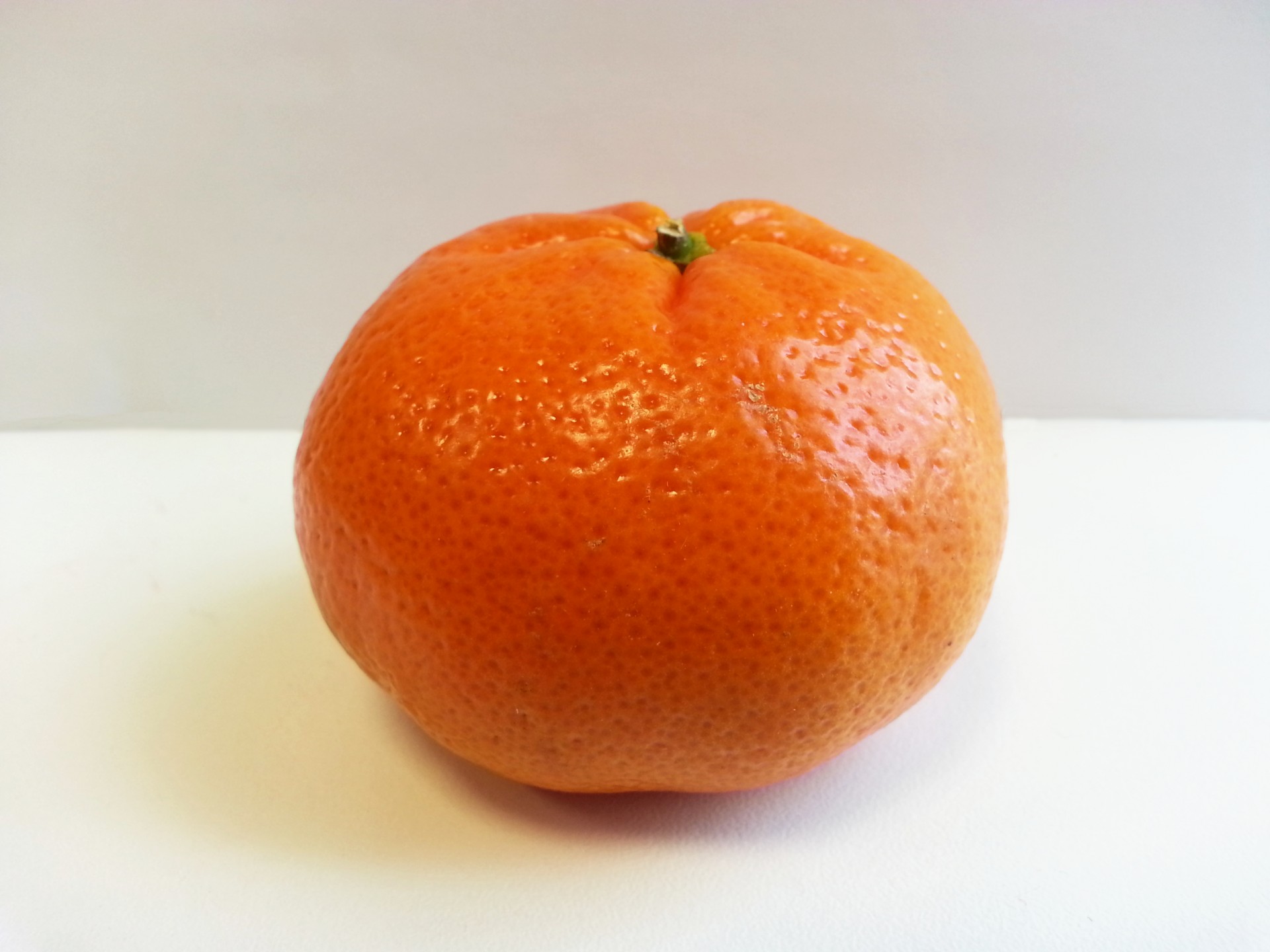
Navel oranges are the world's most popular eating orange. They are seedless, sweet, and easy to peel.
Recognizable by the 'navel' formation at the blossom end, they are perfect for snacking or juicing for a
sweet, refreshing drink.
Often bought together
About this Variety
Origins & History
A natural mutation discovered in Brazil in 1820. Named for the 'navel' formation at the blossom end.
.jpg)
.jpeg)